Fast, Ultra-Precise Metal 3D Printing Using PureForm™
PureForm from Greene Group Industries is a proprietary metal 3D printing technology that can produce rapid-prototyping, production, and replacement parts without compromising quality.
Leverage the PureForm Advantage
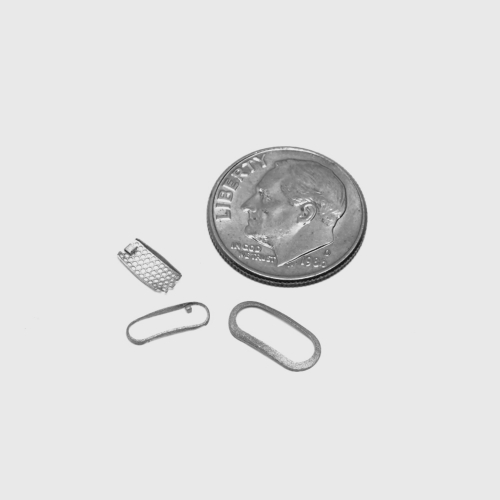
Fast metal printing is a low-cost option with no molds or time delays. PureForm 3D printing delivers prototype metal parts with surface finishes and feature resolution comparable to those of metal injection molding.
Utilizing PureForm metal additive manufacturing enables you to:

Save time and reduce time-to-market by bypassing the lengthy process of mold construction
Achieve surface finish and feature resolution beyond other additive manufacturing technologies
Scale quickly and economically for low-volume production runs
Easily transition to metal injection molding (MIM)
PureForm metal 3D printing utilizes a unique mixture of MIM powder and a photoresistive polymer binder to deliver complex, precision metal parts when you need them.
A Streamlined Path from Prototype to Production
Additive metal 3D printing with PureForm is a competitive advantage that helps you rapidly prototype and refine, enabling you to solve technical challenges and bring new products to market faster.
Complex metal components, on demand
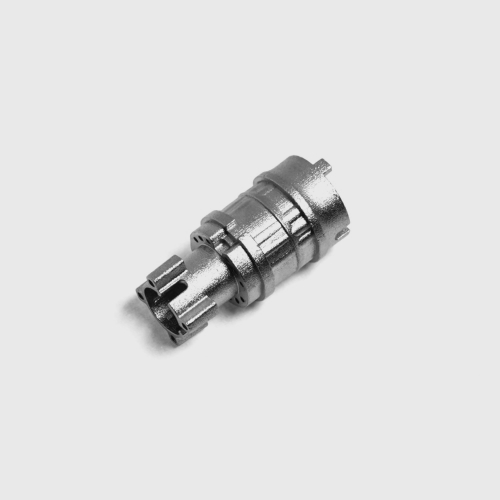
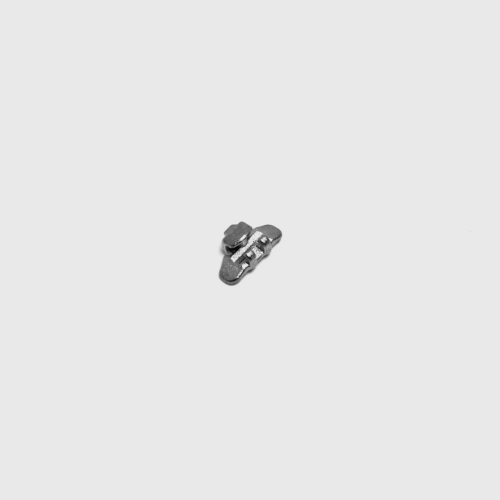
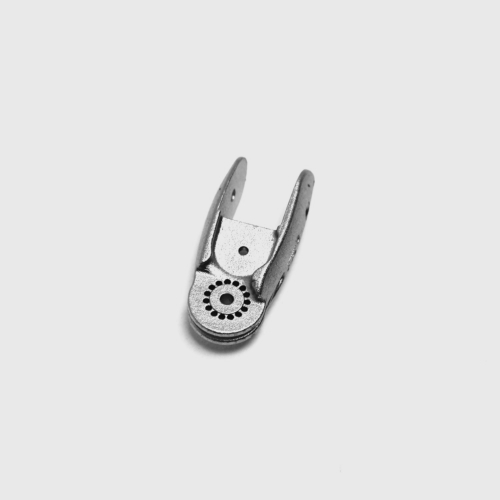
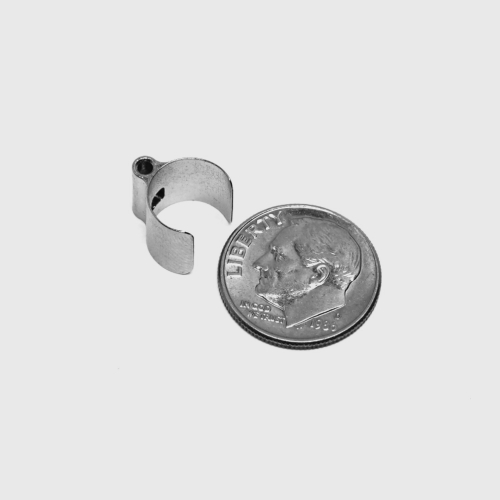
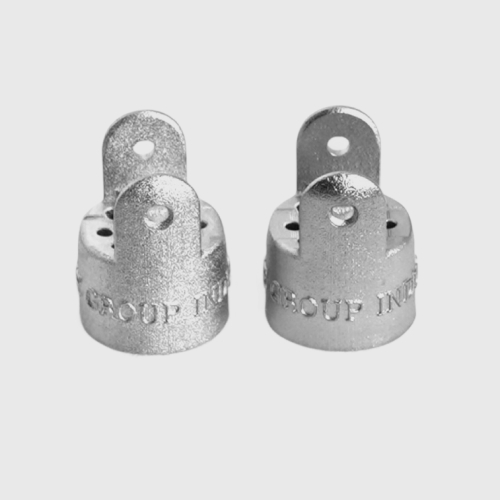
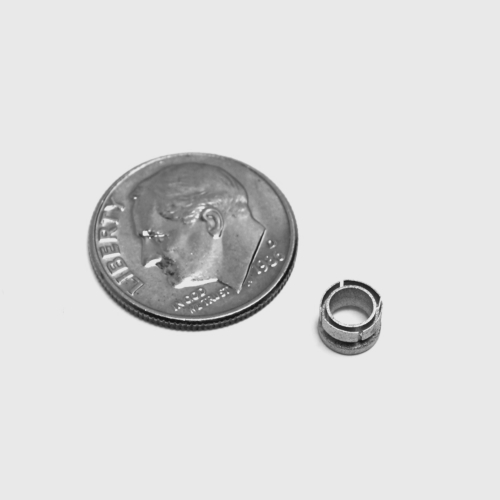
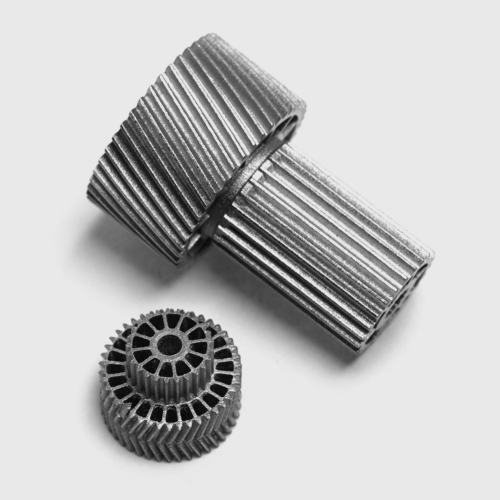
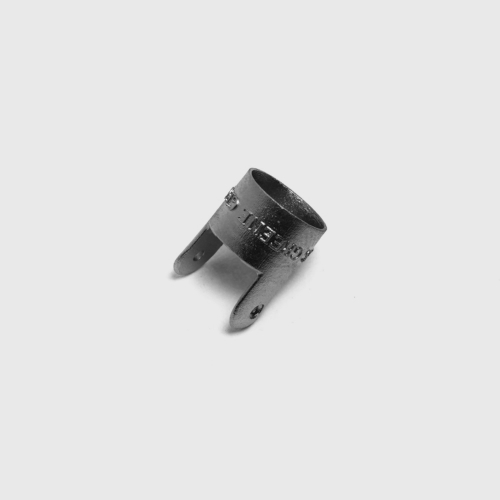
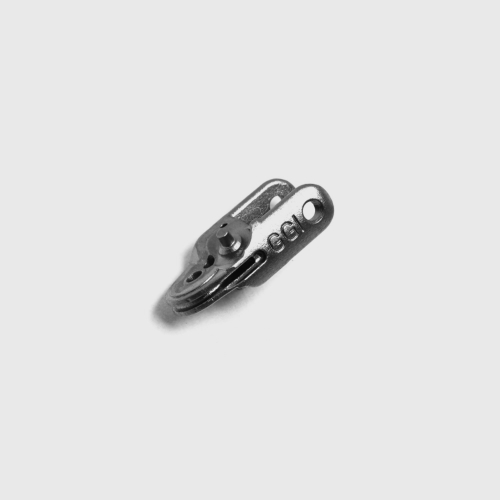
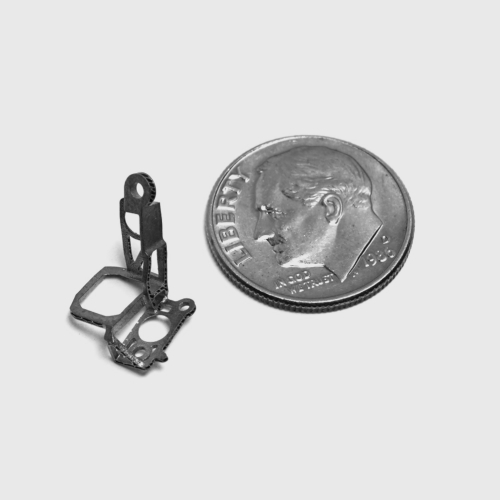
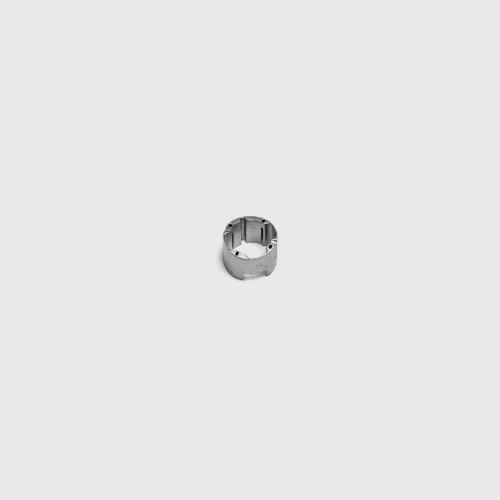
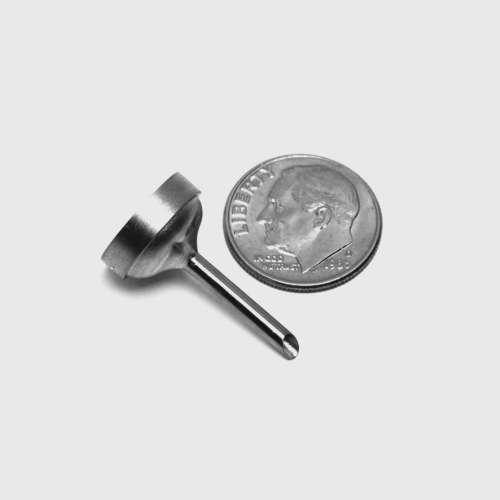
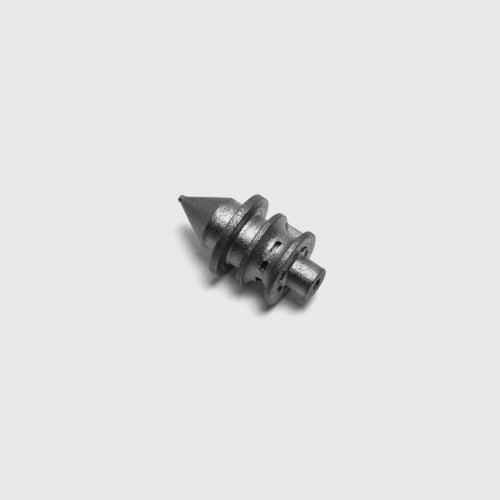
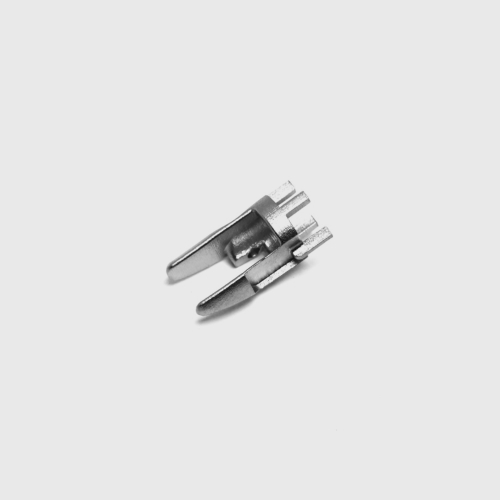
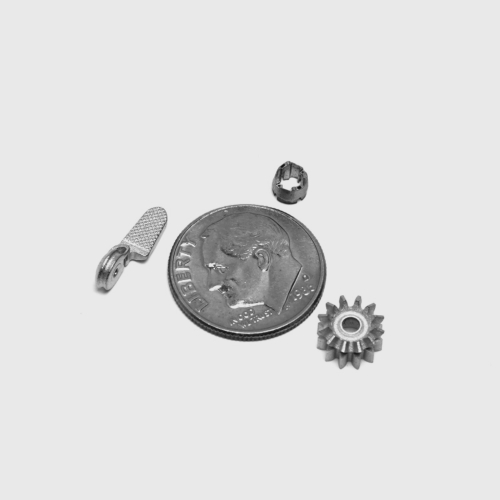
In the PureForm metal 3D printing process, components are constructed layer by layer using specialized high-resolution, high-throughput optical printers. The subsequent “green state” components are then processed through debinding and sintering, yielding parts that comply with MPIF-35 standards. The backend process is virtually identical to MIM.
- Production metals include 17-4PH stainless steel and 316 stainless steel
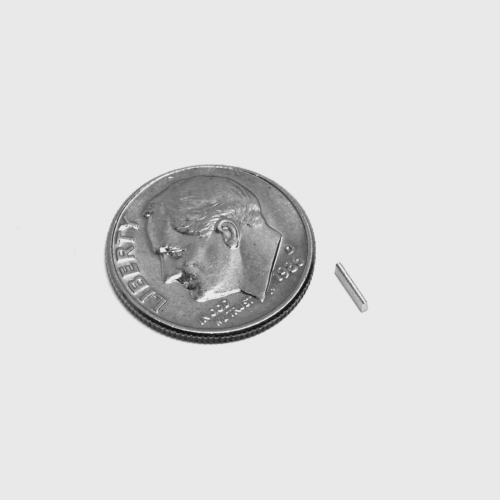
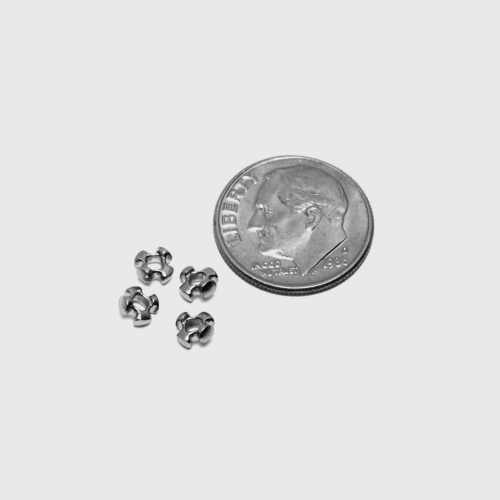
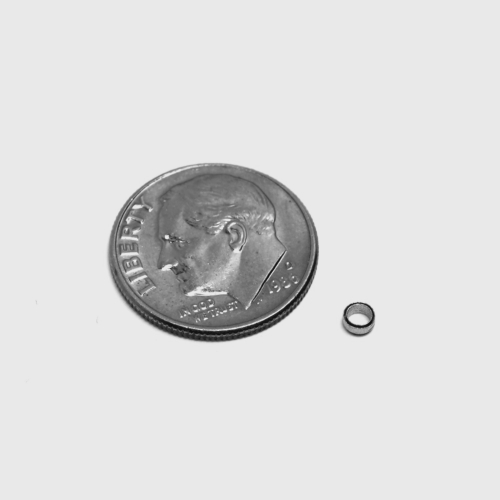
- Produce components with features as fine as 50 microns with 100-micron walls
- Options for post-sinter secondary processes (plastic over molding, machining, grinding, brazing, welding, crimping, assembly, etc.)


Supporting Innovation Across Critical Markets
Our integrated, U.S.-based facilities give OEMs a single source partner for complex manufacturing across regulated and performance-driven industries.
- Medical Device
- Defense & Aerospace
- Commercial & Industrial
- Electronics & Communications


PureForm™ Metal 3D Printing Design Guidelines
Greene Group Industries’ PureForm additive manufacturing platform uses Digital Light Processing to produce intricate metal parts at production scale. The H200 industrial printer grows a batch of parts layer-by-layer by curing a slurry that mixes metal particles with a highly reactive photopolymer.
Partnership Designed to Grow with You
Our connected teams make scaling simple. We help OEMs move seamlessly from concept validation to full-scale production.

Design for Manufacture

Quick-turn Prototyping

Feedstock & Alloy Development

Process Validation
Project Management

Program Management

What Our Customers Say
Ready to Start Your Next Project?
See how our full-service contract manufacturing capabilities can elevate your precision component production and performance.
Metal 3D Printing FAQs
What is PureForm™ metal 3D printing?
PureForm is Greene Group’s metal 3D printing process for producing complex, precision components without a mold. It uses Digital Light Processing to build parts layer by layer from a mixture of metal powder and a light-reactive binder. The printed parts are then debound and sintered to form finished metal components.
When should I use metal 3D printing instead of metal injection molding?
Metal 3D printing is a strong option when you need to test a design, refine a component, or produce a lower volume of parts without investing in a mold. Metal injection molding (MIM) may be a better fit as production volumes increase. Greene Group’s PureForm process uses MIM powders and a similar debinding and sintering process, creating a path from printed prototypes to molded production parts.
Can metal 3D printing be used for production parts or only prototypes?
Both. PureForm can produce functional prototypes for design evaluation and support low-volume production without mold tooling. Greene Group can also help OEMs evaluate whether a part should transition to MIM as demand grows. Contact our sales team to learn more.
What metals can Greene Group 3D print?
Greene Group lists 17-4PH stainless steel and 316 stainless steel as production materials for PureForm metal 3D printing. The right material depends on the component’s performance requirements and intended application. Greene Group’s team can review material needs during the design and development process.
How small can PureForm 3D-printed features be?
Greene Group states that PureForm can produce features as fine as 50 microns and walls as thin as 100 microns. Whether those dimensions are suitable for a specific part depends on its overall design and performance requirements, so critical features should be reviewed with the engineering team.
Does PureForm metal 3D printing require tooling?
PureForm does not require a production mold to print a part. This allows teams to make and evaluate design changes before committing to mold construction. It can be particularly valuable during prototyping and for lower-volume programs.
Can 3D-printed metal parts receive secondary operations?
Yes. Greene Group lists machining, grinding, brazing, welding, crimping, plastic overmolding, and assembly among its post-sinter options. These processes can be used when a part needs additional features, finishing, or integration into a larger assembly.
What types of projects are suited to precision metal 3D printing?
Precision metal 3D printing is useful for complex components that need fine features, design flexibility, or a faster path to a functional prototype. Greene Group supports OEMs in medical devices, defense and aerospace, commercial and industrial applications, and electronics and communications. Its team can assess whether PureForm, MIM, or another manufacturing process best fits a particular design.
What information should I provide to get a metal 3D printing quote?
Start with a part drawing or 3D model, along with the intended material, estimated quantities, critical dimensions, and performance requirements. It also helps to note whether the project is a prototype, a low-volume production run, or a design that may later move to MIM. Greene Group can use those details to assess manufacturability and recommend next steps. Contact us for questions or next steps.